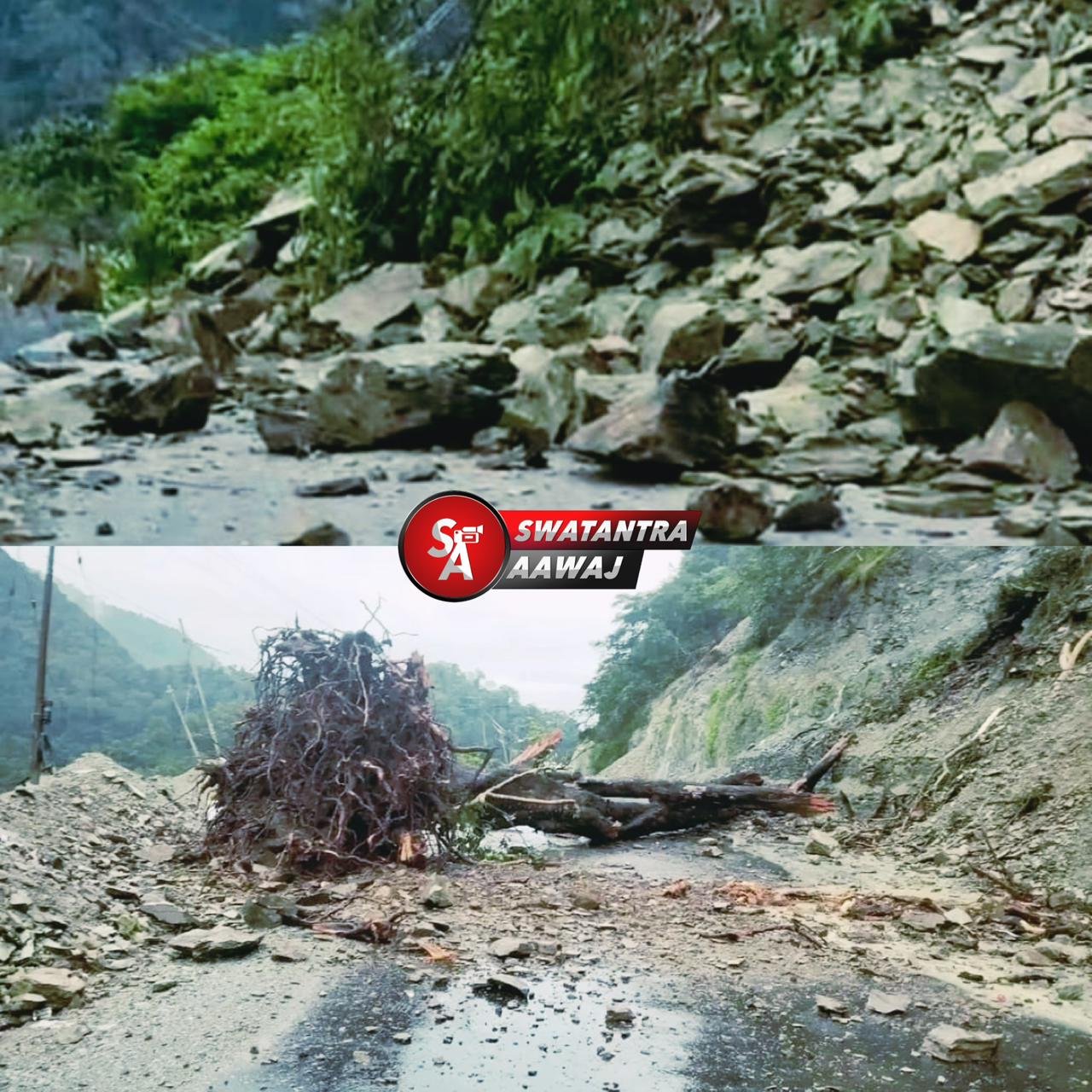

The first casualty of any major natural calamity in and around Sikkim is not property, not infrastructure – but trust. Specifically, the trust of the traveller. The moment roads are blocked or washed away, even temporarily, our tourism sector takes a hit.
And in today’s hyper-connected world, disruption spreads faster on social media than on the ground. A landslide somewhere along NH10, a video clip of a stalled taxi, traffic congestions at Kirney & Melli, a rumour – and just like that, a potential tourist is already thinking twice about visiting.
In a matter of hours, a temporary roadblock becomes a full-blown reputational crisis. This is the reality of tourism in the age of WhatsApp forwards and viral tweets.
We must face a bitter truth: climate change is rewriting the rules of mountain tourism. Monsoon patterns are no longer predictable. October, a month once known for blue skies and clear roads, was this year marked by relentless rain. Highways buckled under landslides, and yet the skies were expected to welcome travellers. That expectation, now, is a fragile dream.
Anta Aba Key Garnu?
What’s needed is a coordinated, proactive approach from the State authorities and tourism stakeholders – one that tells every prospective visitor: Yes, the mountains are wild. But the people here are prepared.
We cannot control landslides. But we can control the narrative.
The message must be loud and unmissable: roadblocks may happen, but the response will be swift. The effort by the authorities to restore connectivity will be relentless. And the tourist – whether entering Sikkim or trying to leave — will not be left to fend for themselves.
This is where we often fall short.
Real-time updates about road status and weather conditions must be issued without delay from officials. Misinformation thrives in a vacuum. Every hour without clarity allows panic and exaggeration to fester. Roads get blocked in Sikkim during rains, they say. True. But so does roads in Manali, Mussoorie, or every hill station in India whenever it pours. Landslides don’t discriminate, and neither do mountain roads.
What a visitor might not know and must be told is that in Sikkim, the machinery to respond is already in motion before he even finishes his cup of tea. This reassurance must be repeated – until it becomes second nature, until every tourist planning a family trip can say, “Yes, the roads might rumble, but help will be at hand.”
Nowhere is this messaging more urgent than at the first landing points – the railway station at NJP, the Bagdogra airport, the taxi stands in Siliguri. These are the frontlines of perception. Unfortunately, they are also hunting grounds for rogue elements who exploit road disruptions to fleece vulnerable tourists.
Every time there is a roadblock, the same scene unfolds: touts telling a worried tourist that landslides have “cut off Sikkim completely” and proceeds to charge double the fare. The tourist, unsure and anxious, pays. But he won’t just pay once. He will also “pay it forward” – by telling friends to avoid Sikkim next time.
This is not a minor issue. It’s a reputational landmine.
Ajhai Key Garnu?
We need proactive, coordinated, and visible intervention from the State authorities and all tourism stakeholders – not in hindsight, but in real time. The Tourism authorities & stakeholders cannot simply react after damage is done. It must lead from the front, not from the back seat.
That means being present where the narrative begins – on the ground and online.
When tourists arrive at NJP railway station, Bagdogra airport, or the taxi stands in Siliguri, they should not be welcomed by panic, misinformation, and price-gouging. These entry points must be fortified with tourism officials who are trained, visible, and in control.
Tourism officers and along with tourism organisations must be stationed permanently at these key junctions during the tourism season, particularly when bad weather looms. Their role? To monitor, to guide, and most importantly, to counter chaos with clarity. Let them distribute official road updates. Let them liaise with transport unions to enforce fair fares. Let them assure tourists – you are not alone.
This boots-on-the-ground presence must be backed by a sharp, active digital strategy. The State’s official tourism and disaster management social media handles must be agile and accurate – issuing hourly updates, busting rumours, and correcting the narrative before it spirals out of control.
Because the other side – the side of misinformation – doesn’t wait. It thrives in silence. A single misleading video of a jammed road, shared out of context, can undo months of promotion.
And yes, there will be days when nature deals a heavier hand — a collapsed bridge or a washed-out stretch. But a half-day landslide? That should not be allowed to hold Sikkim tourism hostage.
It is time to treat this seriously. Tourism is not a passive sector. Sikkim Tourism cannot wait for the sun to shine. It must be prepared for the storm.
- SA Desk